Research
Current projects
Papers available on request: max.gallop@strath.ac.uk
-
Proving Loyalty, Losing Capacity: Military Purges and Wartime Violence Against Civilians
Under review
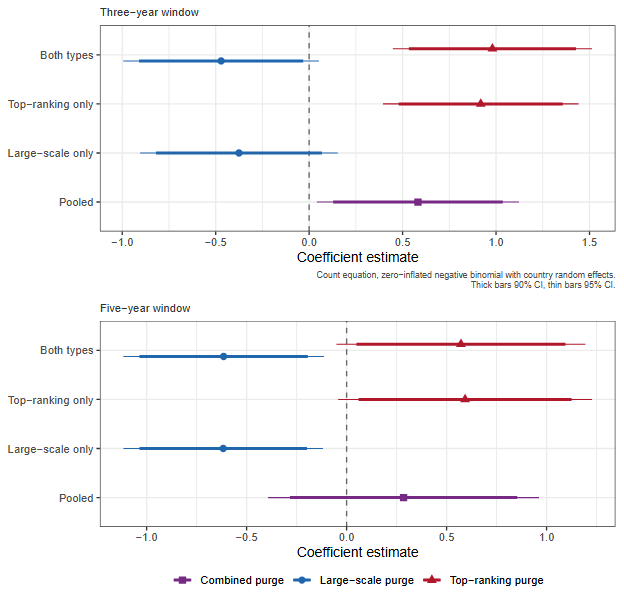
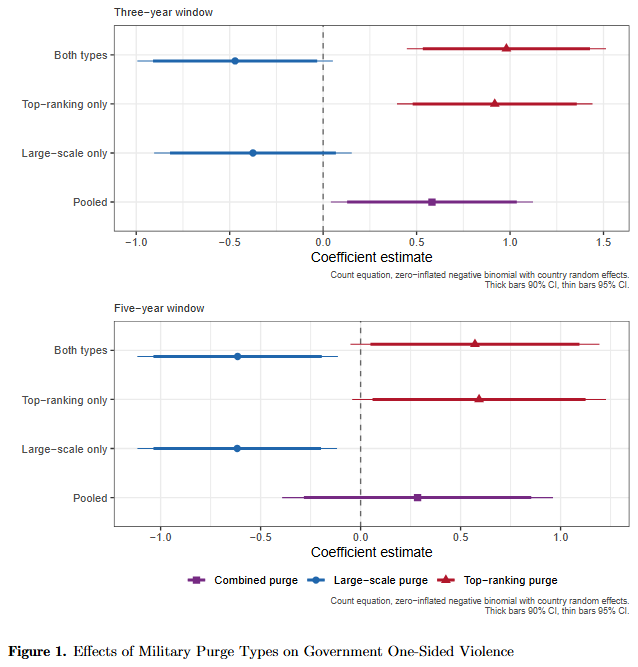
This project looks at the interplay between two troubling forms of autocratic behaviour, the use of purges to deepen personal control of the military, and the tendency to commit violence against the civilian population during civil conflict. We find that different types of purges have countervailing effects on civilian victimization: large-scale purges disrupt military capacity, leading to lower levels of civilian victimization, while top-ranking purges install new officers who can display their loyalty by carrying out atrocities. These effects operate on different timescales: the loyalty effect comes into play within the first few years, while capacity degradation takes longer to propagate through the military.
-
The Tip of the Iceberg: Estimating Underreported Transnational Repression with a Latent Network Model
Working paper
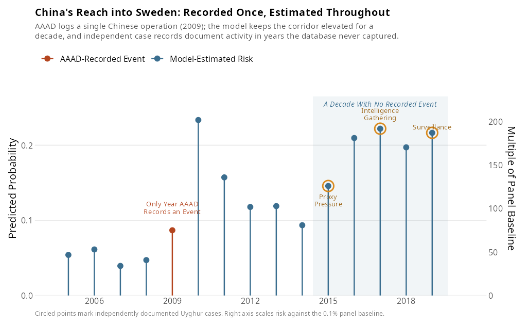
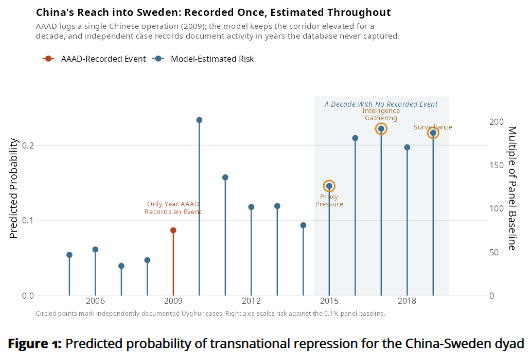
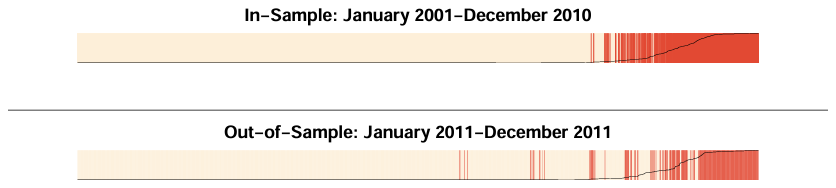
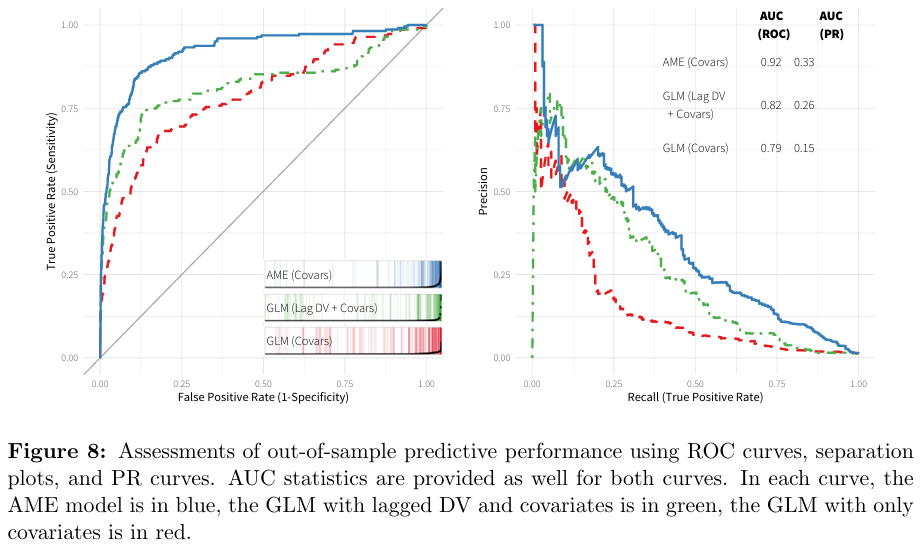
A troubling and increasingly salient modern phenomenon is that autocratic repression no longer seems to respect state borders. A growing body of quantitative research relies largely on news reports of the most violent and visible forms of repression, ignoring that autocracies are strategic actors that often have a strong interest in avoiding detection. In this project we apply a novel network model to see if we can detect covert and latent transnational repression, and identify so-called “dark dyads,” cases where our model would predict high levels of repression but none is reported. We evaluate these dyads using both out-of-sample testing and cross-checking against qualitative records of China’s repression of the Uyghur diaspora.
-
Rashomon Histories: What the Data Support Is Bigger Than What We Report
Working paper
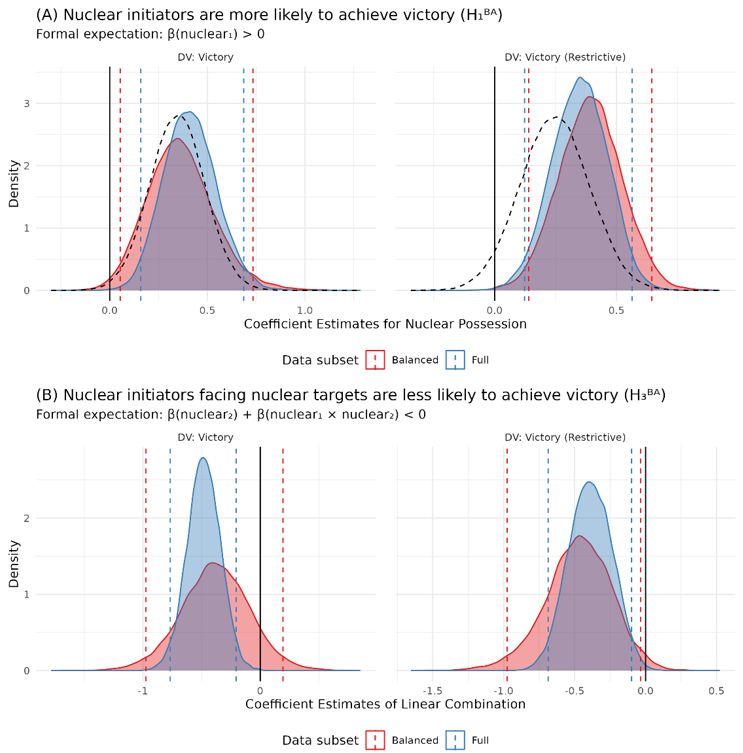
Empirical work in international relations often hinges on a small number of important historical cases. Yet these cases are coded based on a contested (and changing) historiography, where multiple defensible codings of the same case can coexist. This is particularly true of an important topic like nuclear bargaining. In this project, we examine the historiography around nuclear crises and develop a new technique that assesses how sensitive a particular model is to historiographic uncertainty. We apply this technique to the role of nuclear weapons in crisis bargaining, and confirm research showing that nuclear states are more likely to prevail over non-nuclear states, but find claims that superiority matters in nuclear dyads to be overstated.
Journal articles
-
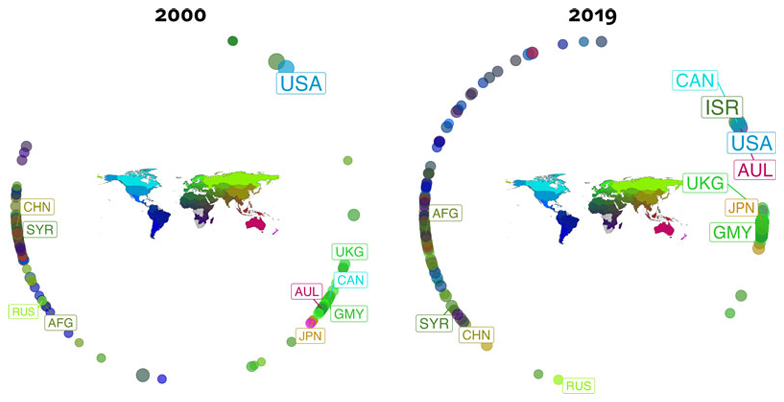
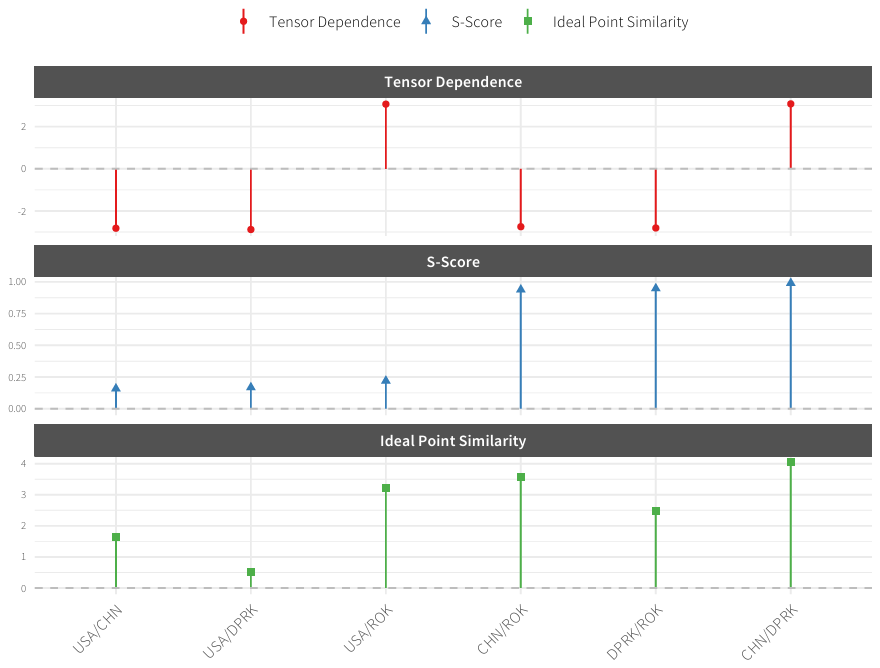
Decisive or Distracted: The Effects of US Constraint on Security Networks
British Journal of Political Science 55: e169, 2025
-
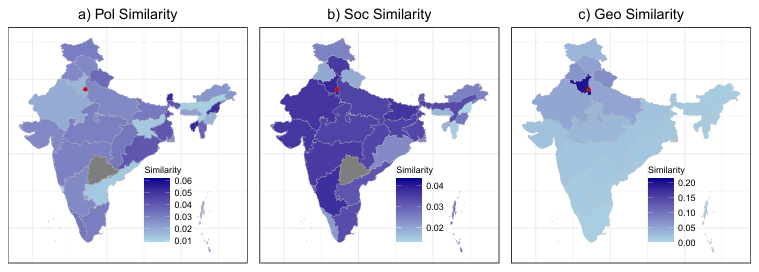
Spatial Dynamics of Election Violence: How Repression Spreads Dissent around Elections
Journal of Politics 85(3), 2023
-
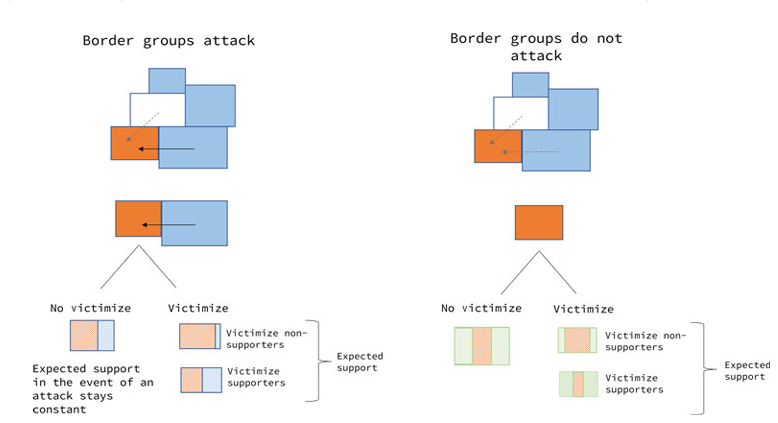
Network Competition and Civilian Targeting During Civil Conflict
British Journal of Political Science 53(2), 2023
-
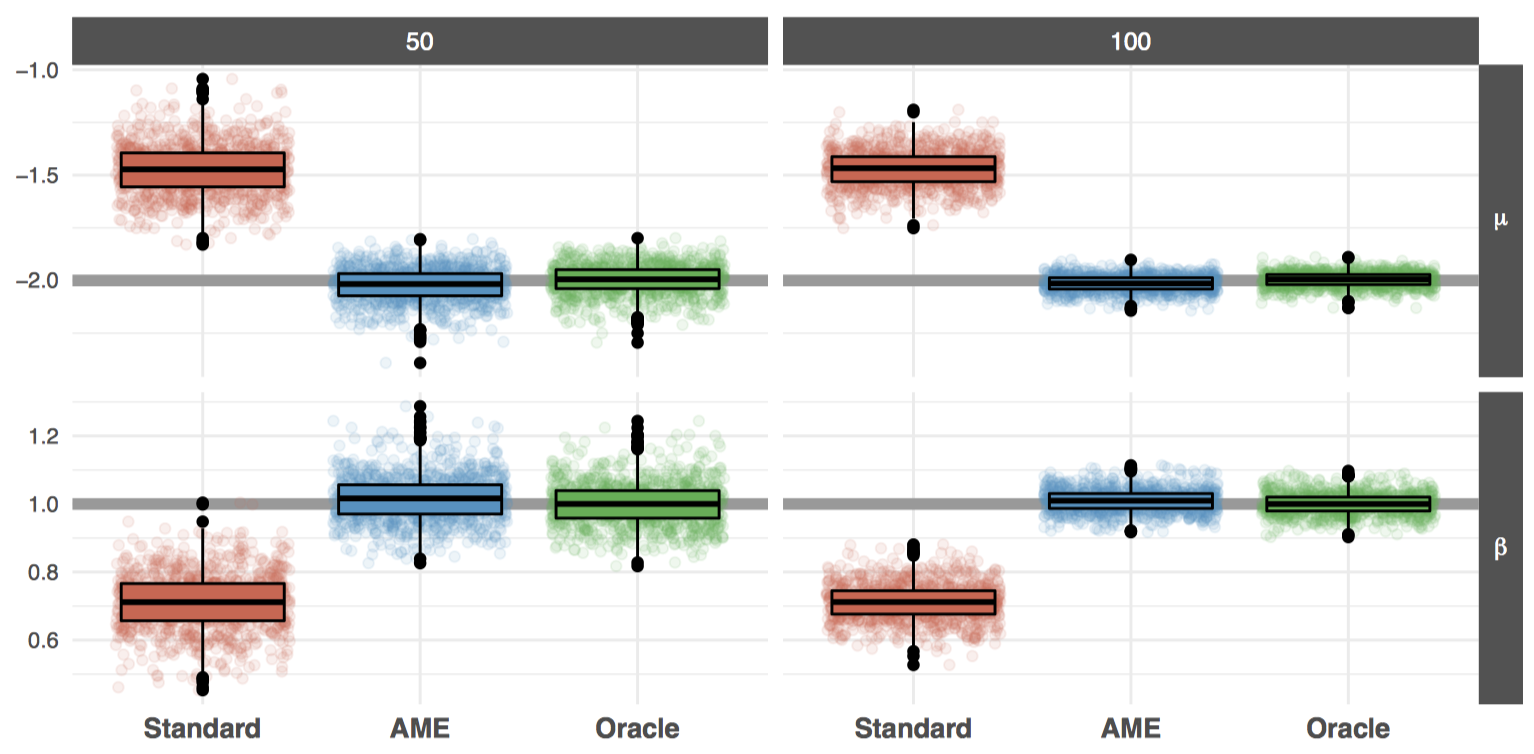
-
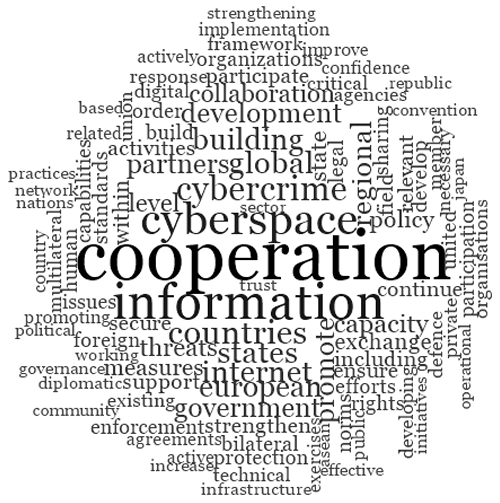
Building Cybersecurity Capacity: A Framework of Analysis for National Cybersecurity Strategies
Journal of Cyber Policy 7(3), 2022
-
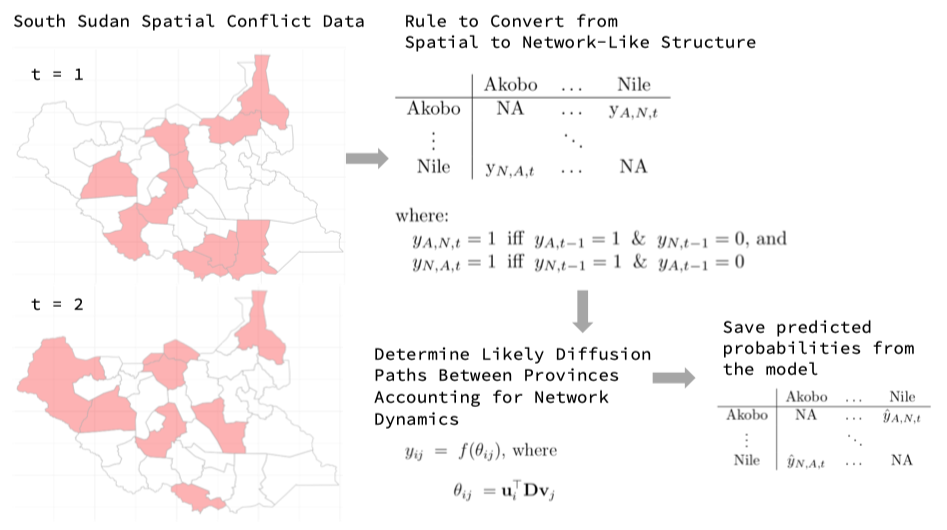
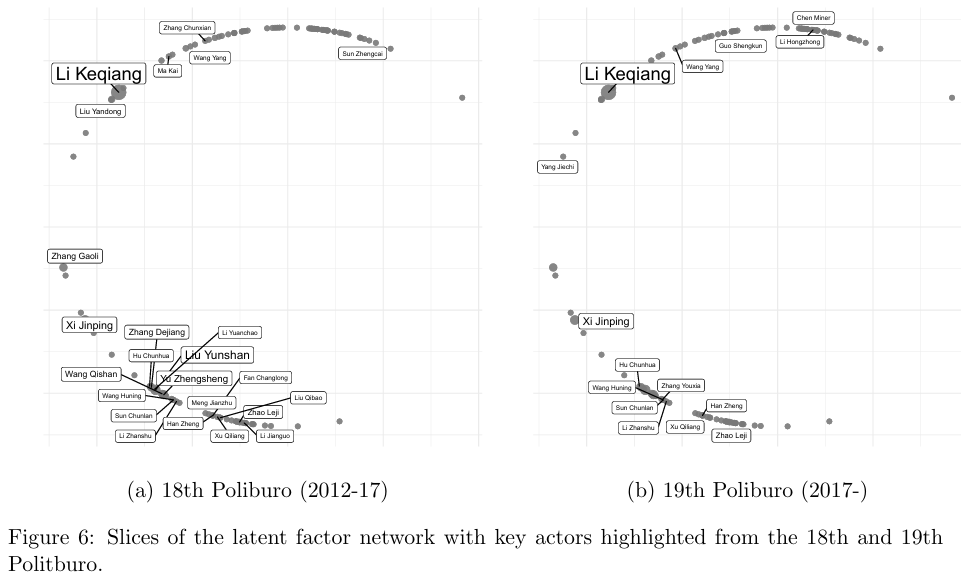
[W]hat Lies Beneath: Using Latent Networks to Improve Spatial Predictions
International Studies Quarterly 66(1): sqab086, 2022
-
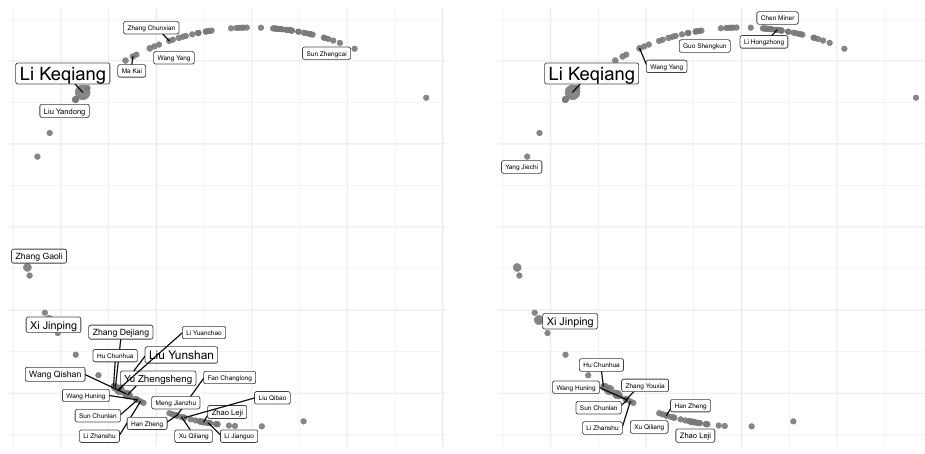
-
-
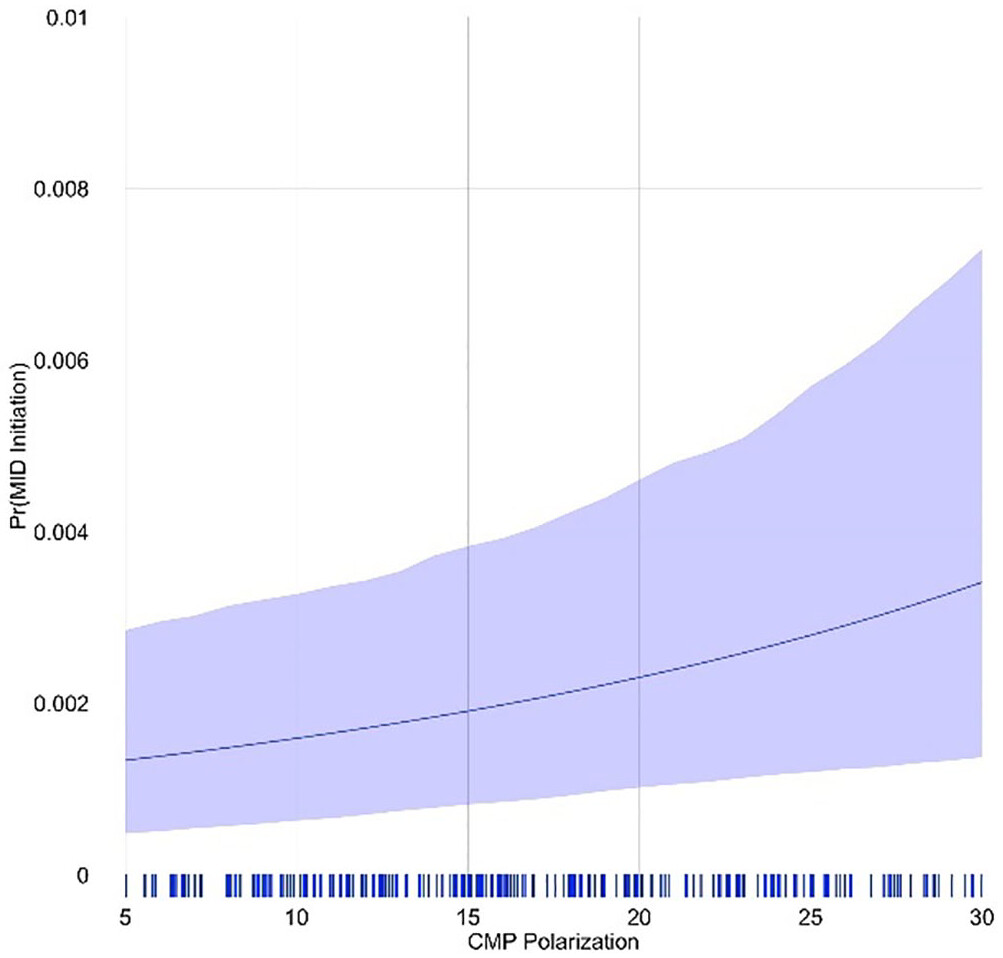
Polarisation, Accountability, and Interstate Conflict
British Journal of Politics and International Relations 23(1), 2021
-
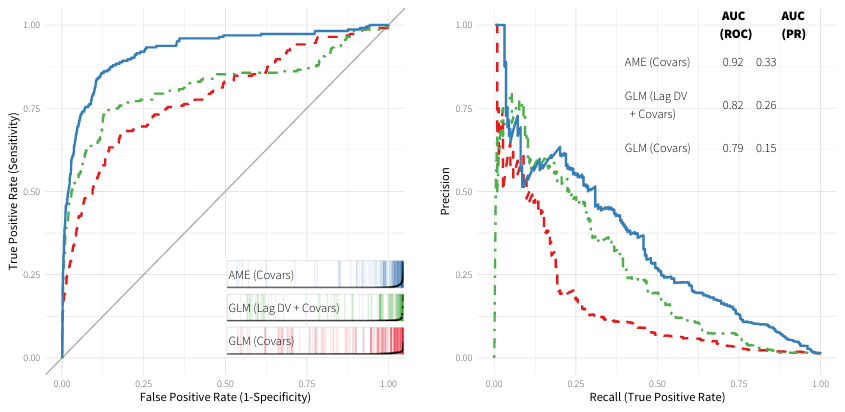
Networks of Violence: Predicting Conflict in Nigeria
Journal of Politics 82(2), 2020
-
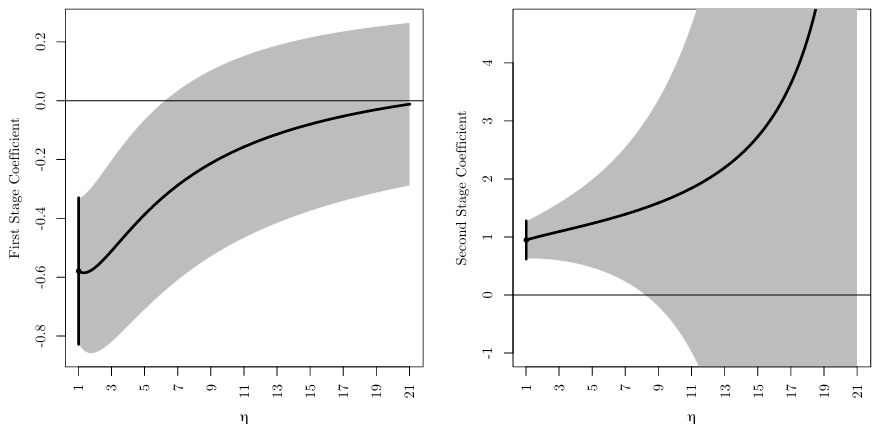
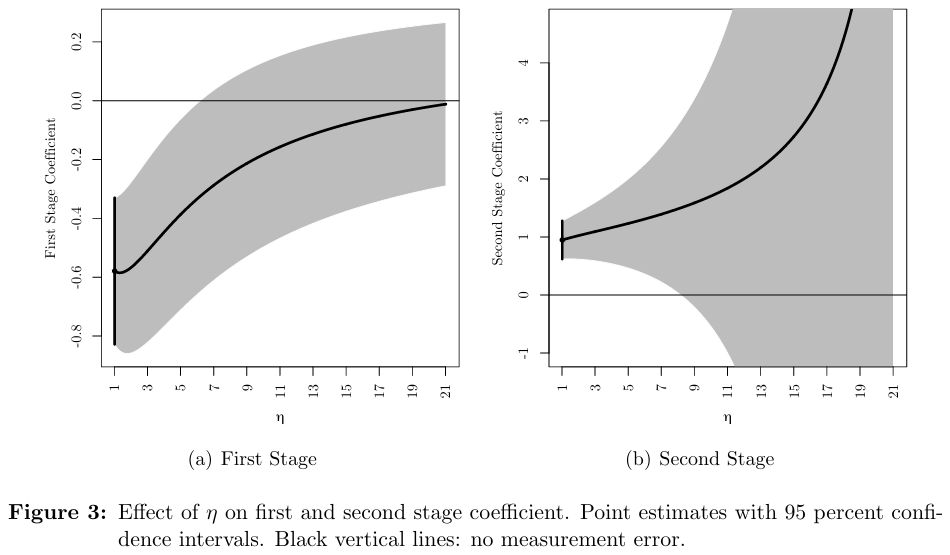
Assessing the Impact of Non-Random Measurement Error on Inference: A Sensitivity Analysis Approach
Political Science Research and Methods 7(2), 2019
-
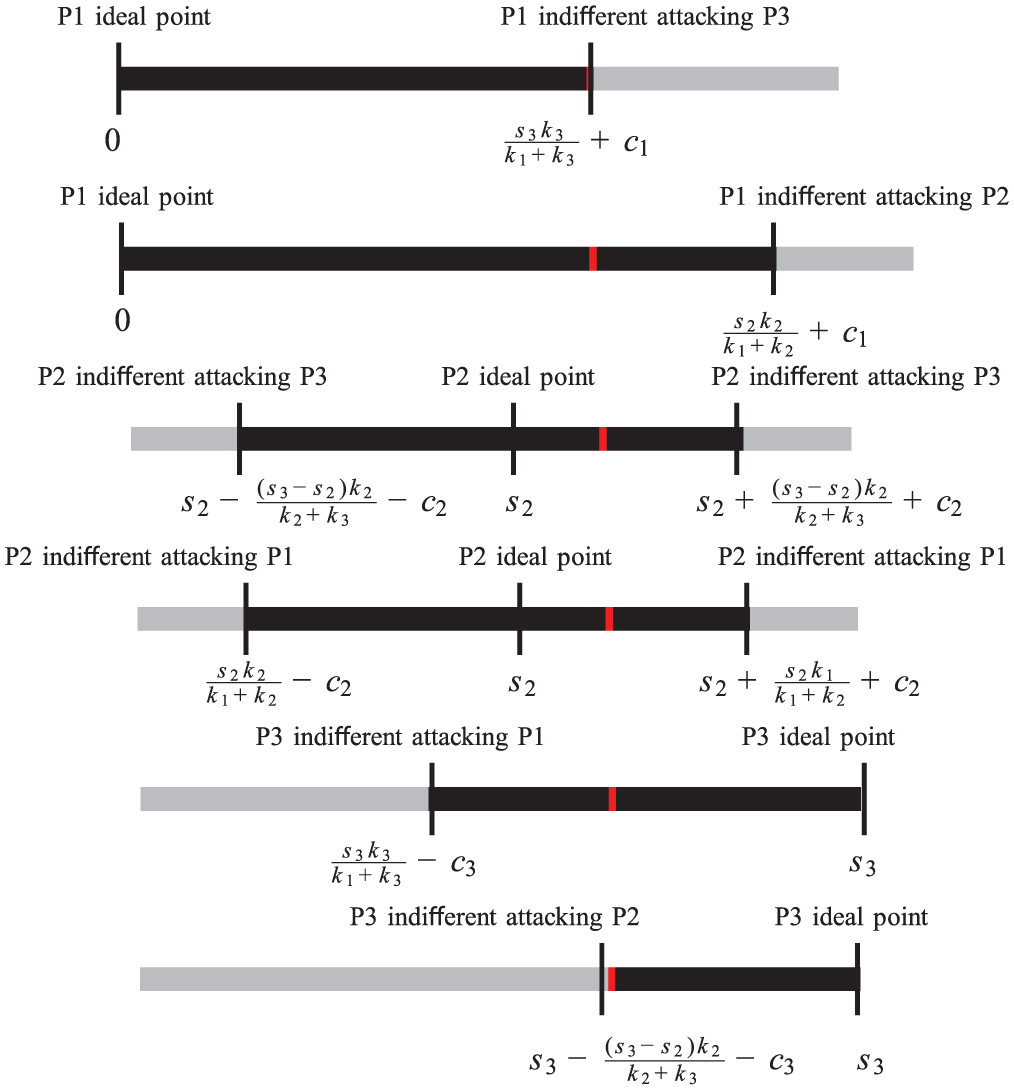
More Dangerous than Dyads: How a Third Party Enables Rationalist Explanations for War
Journal of Theoretical Politics 29(3), 2017
-
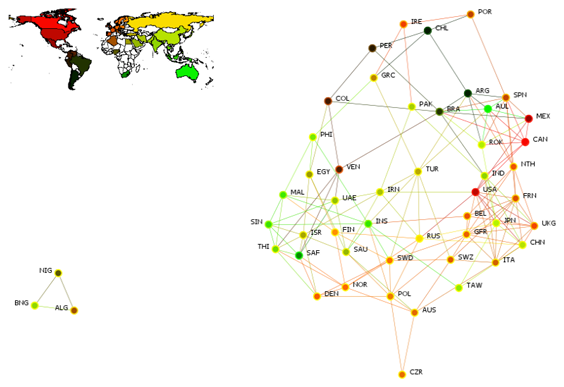
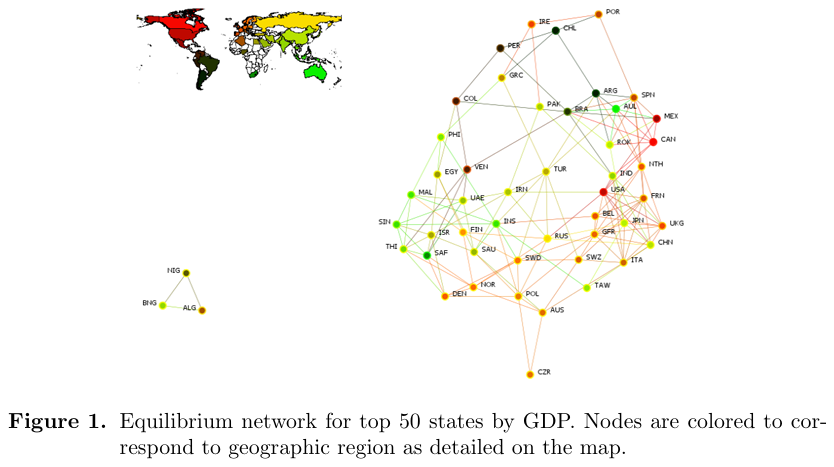
Endogenous Networks and International Cooperation
Journal of Peace Research 53(3), 2016
-
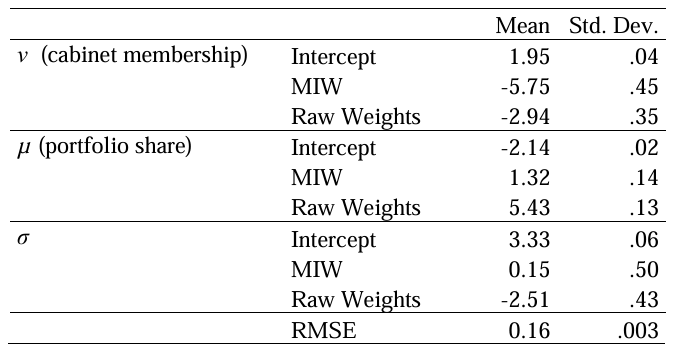
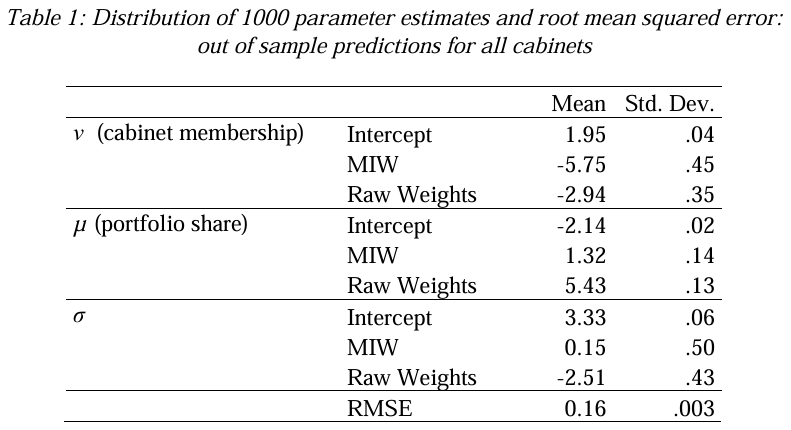
Cabinet Formation and Portfolio Distribution in European Multi-Party Systems
British Journal of Political Science 46(1), 2016
-
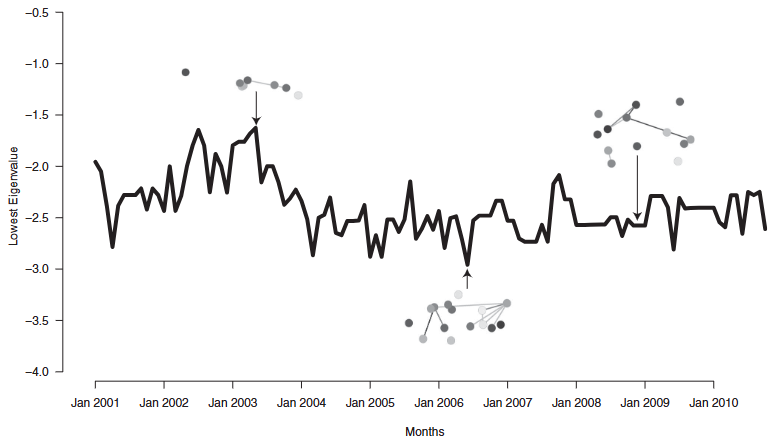
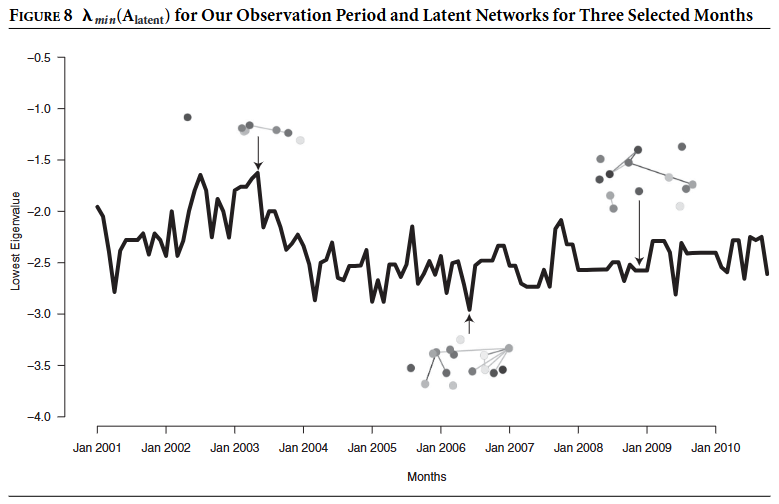
Antigovernment Networks in Civil Conflicts: How Network Structures Affect Conflictual Behavior
American Journal of Political Science 57(4), 2013
-
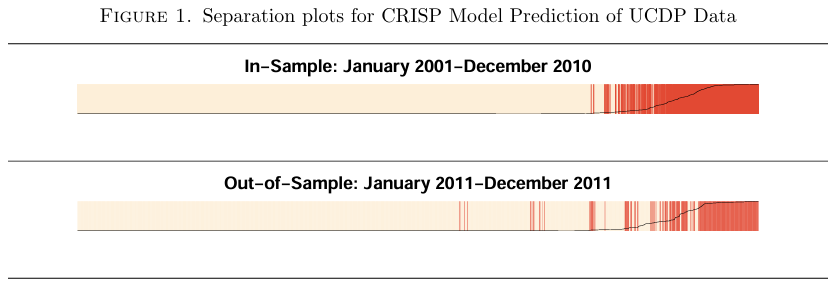
Learning from the Past and Stepping into the Future: Toward a New Generation of Conflict Prediction
International Studies Review 15(4), 2013
Other writing
-
Nuclear and Conventional Deterrence in Theory and Practice
SocArXiv preprint, 2024